Automation blog
Customised Machines: Modular design in an integrated environment
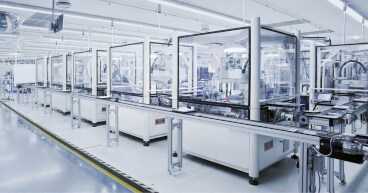
02. syyskuuta 2025 In today’s fast-paced industrial landscape, the demand for customised machines is on the rise. Machine builders face the challenge of producing unique machines tailored to specific customer requirements. Due to the many variations, this leads to inefficiencies in development, commissioning, and maintenance. OMRON’s Integrated Development Environment (IDE) Sysmac Studio offers a solution that streamlines the machine development process. An environment that stimulates the creativity and full potential of programmers.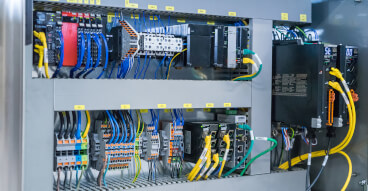
5 practical ways to build smarter, leaner, and more reliable control panels
05. elokuuta 2025 If you have ever looked inside a machine on an industrial production line, you have probably seen a control panel. It is the structured space that houses power supplies, relays, terminals, and controllers. Control panels are the backbone that keeps machines running, processes moving, and production lines performing as intended. But modern control panels can do much more than simply house components. With the right approach, they help reduce build time, minimise material use, improve space efficiency, and increase the long-term reliability of your systems.
How to build resilience into every manufacturing decision
17. heinäkuuta 2025 Thriving through turbulence: How to build resilience into every manufacturing decisionIn the world today, adaptability is no longer only a competitive advantage, it’s a necessity. Manufacturers across all sectors face continuous disruption: changing regulations, unpredictable demand, shifting supply chains, a growing workforce shortage and skills gap. Resilience isn’t something that can be tacked on after the fact. It must be designed into the system, embedded in strategy, and reinforced through technology and culture.Here are five key principles for designing resilience into manufacturing operations:1. Put customers and partners firstResilient manufacturers share a common trait: they prioritize long-term relationships. In our experience, strong partnerships, with both customers and technology providers, create a foundation of trust that becomes invaluable during disruption. This foundation will also become stronger and more robust over time. Whether it’s a global component shortage or a sudden regulatory shift, companies that operate with openness, loyalty, and collaboration respond faster and more effectively. These human connections are just as important to resilience as any machine or system.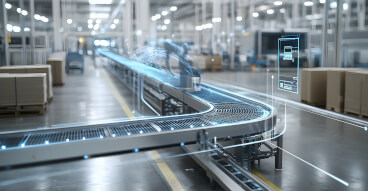
Simulation: from concept to virtual twin
04. kesäkuuta 2025 How can manufacturers harness the power of simulation to get real-world design right first time? The concept of using simulation to inform factory design has been around for years, even predating computers. The earliest examples of simulation were physical models that allowed engineers to test processes and designs on a small scale before scaling them up. Whilst the same underlying principles still apply, nowadays, simulation takes place in the virtual environment. This provides a far greater capacity to build complex processes for testing the effect of variables on outcomes; AI-based technologies have been instrumental in achieving this level of flexibility and sophistication.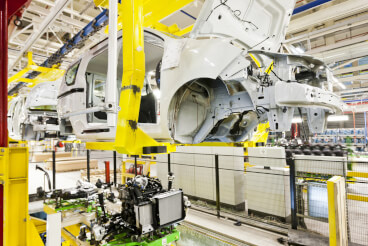
How to design integrated safety into machines from the start?
20. toukokuuta 2025 Safety is a vital element of any modern production or packaging line. Safety systems protect employees and prevent malfunctions from causing damage to valuable products and equipment. If there’s an issue, a good safety system will stop the line to avoid any potential accidents, which also allows the line to be restarted quickly.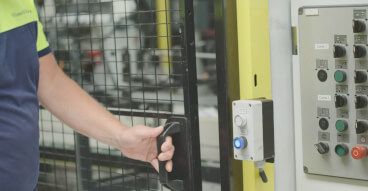
From manual functional safety checks to guided testing: Modernising safety verification
06. toukokuuta 2025 Functional safety is fundamental to every industrial automation system. From emergency stop buttons to interlocks and light curtains, the role of safety components and its safety chain is to protect people and to ensure machine integrity and regulatory compliance. Yet verifying that these systems work correctly, especially during commissioning and maintenance for the entire lifetime of machinery, remains a complex and time-consuming task with high costs in many factories.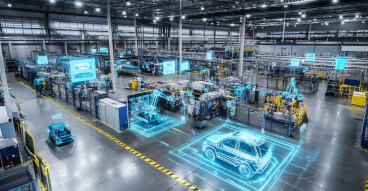
Product and process design - doing it digitally
10. huhtikuuta 2025 Here’s the scenario: you're a manufacturer wanting to develop a new product and will need to invest in a new line to produce it. You’ve read about the benefits of digitalisation and are keen to adopt a more high-tech approach. Where do you start?If you're developing a new product and need a new production line, the first principle is that product design determines process design—not the other way around. The second is that both happen in parallel, reducing time to market in a digital factory.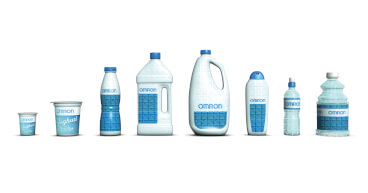
Imperceptible innovation: Digital watermarks + industrial automation
20. maaliskuuta 2025 In modern manufacturing, ensuring product accuracy, quality, and sustainability is more critical than ever. Digital watermarks, robust but imperceptible to the human eye, are a promising technology, especially combined with industrial automation solutions. They enhance traceability and address some of the limitations of traditional codes like QR and DataMatrix. Here’s how this technology is reshaping manufacturing.
Optimising Production: How Smart Maintenance Technologies Are Changing the Game
21. tammikuuta 2025 Unplanned downtime is sabotaging production goals. It's time to take action.Unexpected machine stoppages aren't just inconveniences—they represent costly disruptions that derail schedules, increase operational expenses, and reduce profitability. Efficiency and reliability are crucial factors for maintaining competitiveness in manufacturing, so, minimising productivity losses such as unplanned downtime must be a strategic priority for both small and medium enterprises (SMEs) and large corporations.But what if you could anticipate equipment failures before they happen, deploy machines designed with maintenance in mind, and minimise fault finding? Smart maintenance technologies are making all of these a reality, transforming operations from reactive firefighting to proactive problem-solving.In this blog, we’ll explore how predictive maintenance, intelligent machine design, and advanced diagnostics are helping manufacturers reduce downtime, optimise costs, and stay ahead in an ever-evolving industry.
Navigating the new machinery directive
16. tammikuuta 2025 The European Union’s transition from the 2006/42/EC Machinery Directive to the new Machinery Regulation (2023/1230/EU), effective January 20, 2027, represents a significant shift in legislative requirements for machinery and related products. For system integrators, the regulation introduces stricter requirements for the incorporation of AI-driven systems, autonomous machines, and interconnected equipment. For end users, especially those operating complex machinery systems, preparing for these changes is a strategic necessity.
Creating smarter, faster, and simpler multi-robot packaging lines?
16. tammikuuta 2025 Does integrating robotics into a packaging line feel like solving a puzzle with too many pieces? Designing a high-performing packaging line with multiple robots often involves navigating complex integrations, precise motion control, and the need to meet tight production demands. Whether you are a System Integrator crafting tailored solutions for specific client needs or an OEM developing scalable, standardized systems, the OMRON Robotics Packaging Library provides the tools to simplify integration and reduce engineering time. Here’s how the Robotics Packaging Library helps you improve performance and reduce complexity in packaging automation.
From optimization to autonomy - Top five manufacturing automation trends for 2025 from OMRON
04. tammikuuta 2025 As we step into 2025, the world of industrial automation is approaching a new chapter. According to OMRON's SINIC Theory, which ties technological advances to societal change, we’re now moving from the Optimization Society to the Autonomous Society. The theory, created in 1970 by OMRON’s founder Kazuma Tateishi, predicts future societal and technological developments to guide innovation. In the Optimization phase, the focus has been on refining processes, boosting efficiency, and using technology to improve operations. But the Autonomous Society is a whole new era—one where systems don’t just run efficiently; they become self-regulating, self-learning, and capable of independent decision-making.
How can adaptive AI inspection contribute to flexible manufacturing?
04. lokakuuta 2022 Consumers today demand customized products to meet their personal needs and tastes. Instead of producing items that are ‘made to shelve’ and ‘sent to stock’, manufacturers must personalize products that are ‘made for me’ and ‘sent to me’. This is revolutionizing production and forcing companies to rethink their processes. At the same time, ensuring zero complaints and zero defects is a must.The trained eye of an experienced vision inspector is quick to spot errors, but a routine task like this is tiring, and cannot be carried out at each step of the production, especially due to the current labor shortages in many industries. But could this task be automated also in high-mix low-volume production? Could a smart vision system or an ‘electronic eye’ replicate the discernment of the human eye, with the added benefit of repeatability and robustness? The latest AI-enabled adaptive inspection can overcome the challenges of automated quality inspection, with improved flexibility, productivity, and adaptability.
Artificial Intelligence: hope, hype and FOMO
22. syyskuuta 2022 Ten years ago when we received enquiries about AI-based projects, they were mainly driven by hype or FOMO. When I asked why they wanted to get into AI, the answer, more often than not, was either ‘because my boss asked me to’, ‘because we have a lot of data’ or ‘because it seems like an interesting area’. None of these were particularly solid reasons and certainly didn’t justify the hefty investment that AI applications would have required at that time.That is changing, and hope, rather than hype or ‘FOMO’, is the driver. Customers don’t ask whether we can help them with AI anymore. They ask us whether we can help with predictive maintenance, quality control or process optimisation. They come to us with a problem that they want us to help solve. The adoption of AI is no longer a motive or an aim in itself. Instead, AI has become an ‘enabler’.Whatever the industry - whether food & drink, pharmaceutical, electronics or automotive - the end goal is the same: producing high quality, defect-free products at a lower cost, using less energy and less labour. And AI can be one of a suite of solutions for achieving those objectives.
Automation adapts to sustainable packaging
16. elokuuta 2022 Have you ever ordered a small item online, and then felt incensed when it arrived in an oversized box packed out with bubble wrap, air-filled cushions or paper inserts?
Powering the European automotive industry
29. tammikuuta 2021 The European automotive industry is facing strong competition from Asia, as well as the economic challenges of the pandemic. It needs to develop innovative, future-proof strategies and technologies that will boost both efficiency and sustainability. Tony Seba from Stanford University believes that by 2025, no more new vehicles with (pure) combustion engines will be sold and there will be a move towards battery or hydrogen-powered fuel cells. Meanwhile, the industry faces falling sales, increasingly strict emissions regulations, new technologies, digitisation and changing consumer needs. Companies must respond by converting their production lines; becoming more agile; and introducing innovations that provide a competitive edge.
Data paradise factory floor: get more out of your machine and production information
25. syyskuuta 2020 Strategic Data Science is an essential pillar of every Industry 4.0 scenario. A four-step data mining approach based on CRISP-DM supports successful projects.
Get the full value from your factory floor data with data sciences
19. kesäkuuta 2020 Industry 4.0 and IIoT have been buzz words for several years and these concepts are actually implemented on more and more machines. A huge amount of data becomes available: machine data, data of the production process and data regarding the manufactured product. Big Data has entered the factory floor.
Energizing European battery cell production
01. toukokuuta 2020 What can European automotive companies do to future-proof their production lines, especially in relation to battery manufacturing? Robotics, automated quality control and artificial intelligence (AI) can help companies to tackle the strong competition they are facing from Asia.
How industrial companies are catching up in the AI race
16. joulukuuta 2019 Artificial intelligence (AI) is achieving breakthroughs in the industrial sector. McKinsey recently forecasted that the global market for AI-based services, software and hardware will grow by up to 25% annually and will be worth around US$130 billion by 2025. But AI also represents a major challenge for industries in Europe, which are lagging behind the US and China. So, how can we start putting AI into action? Predictive maintenance is one area that demonstrates its advantages and potential.
Smart machines: laying the golden egg?
16. lokakuuta 2019 Greater manufacturing efficiency: it’s the golden egg we’re all looking for. But it’s getting increasingly hard to find. The solution could be smarter automation, which involves lots and lots of data (‘big data’) and data collection and data-driven modelling. The smart machine then uses the models to automatically adjust its own behaviour (i.e. machine learning).
Improve OEE with Artificial Intelligence at the Edge in Food Manufacturing
16. lokakuuta 2019 Implementation of Artificial Intelligence (AI) in food manufacturing is picking up speed. Many F&B companies are realizing that AI presents an opportunity to increase not only the Overall Equipment Effectiveness (OEE) – and therefore combine reduced costs with increased productivity – but also to improve the analysis of data to support continuous improvement programs such as reducing waste or process operations variability.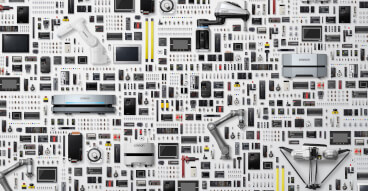
Riders of the storm: navigating economic uncertainty by turning social challenges into tech opportunities
06. joulukuuta 2022 One of the questions I am often asked is what our strategy is, as an industrial automation business, for maintaining stable growth in a volatile and increasingly unpredictable global economy. My answer, as you might imagine, is not one sentence, although it is rooted in one concept: SINIC. SINIC stands for ‘Seed-Innovation to Need-Impetus Cyclic Evolution’ and is a theory that was developed by OMRON's founder, Dr. Kazuma Tateisi, in 1970. According to this philosophy, science, technology and society share a cyclical relationship, mutually impacting and influencing each other. Scientific breakthroughs help society to advance and social needs spur on technological development. OMRON Europe has always followed this philosophy, and has spent the last decade laying the foundations for creating value-adding solutions to present day social and economic challenges.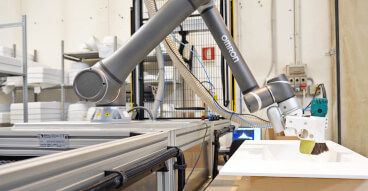
Four Automation Tips for SMEs
25. marraskuuta 2022 Corporate leaders around the world are currently facing one challenge after another: In addition to the exploding costs caused by the energy crisis, there are supply chain problems, a shortage of skilled workers, sustainability requirements, and advancing digitization issues. In particular, small and medium-sized enterprises (SME) need to quickly find ways to address these hurdles. Automation provides a remedy – this includes robotics such as cobots and AMR (autonomous mobile robots), as well as sensors, vision, and AI technology. While companies are well aware of the benefits of such technologies, studies also show that many remain skeptical of their actual use.Especially companies without application experience fear that the use of robots could be accompanied by high costs. So if you are currently wondering whether the purchase of a collaborative or mobile robot is worthwhile for your own business, OMRON's new ROI calculator will help. It provides a quick overview of the return on investment and shows when a robotics investment will cover its costs.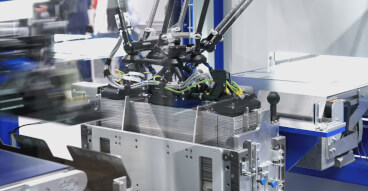
Digitalization in the automotive industry: Seven tips for smart production
02. marraskuuta 2022 If you want to grow and master crises, you have to be digitally fit – this also applies to the important automotive sector. There is no way around digital tools for addressing customers or productivity. Artificial intelligence (AI) and sustainability are key drivers and focus topics, as a study by Capgemini shows. Experts from Gartner point out the importance of open-source collaboration approaches, holistic ecosystems, and technology partnerships. But what should we look out for in digitalization and intralogistics in the production of the future? We want to answer this question in two parts. We start with tips on digitization in the smart factory. As an automation expert, OMRON has been accompanying manufacturers and suppliers on their way to more digitalization sophistication for many years.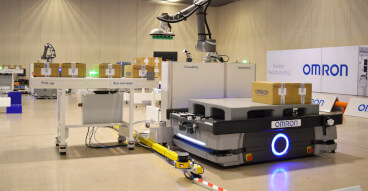
Flexible Manufacturing Roadshow: Taking the factory of the future across Europe
16. kesäkuuta 2022 What if you could see, feel and touch the factory of the future? What does it take to realize flexible, efficient, and sustainable production? This is the idea behind OMRON’s unique Flexible Manufacturing Roadshow travelling across Europe this year. The roadshow features exclusive demonstrations of human-machine collaborative solutions not usually seen outside of a factory setting due to their size and scale.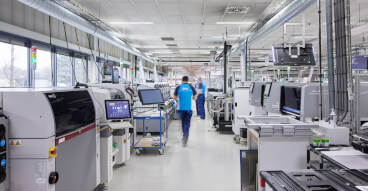
Building the Factory of the Future together
16. kesäkuuta 2022 As one of the largest business units at OMRON, we aim to further develop the Den Bosch plant to serve the needs in the EMEA region.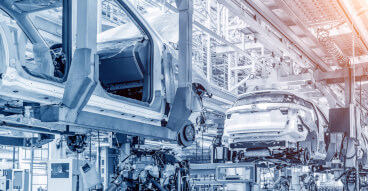
Traceability in Automotive: What decision-makers and experts should look out for now
23. toukokuuta 2022 From e-mobility to autonomous driving, from skills shortages to digitalization: The automotive industry is undergoing a profound change, marked, for example, by a shift to globalized platforms and standardized vehicle architectures. On the one hand, production is becoming increasingly efficient, but on the other, even a single faulty part can have more far-reaching effects than ever before. Faced with costly recalls, automotive manufacturers are confronted with increasingly complex requirements and stricter specifications. Is the effort of traceability worth it if it means labeling up to 20,000 parts per vehicle? Yes, it is, but powerful reading and verification technologies along with powerful software is needed to make sense of all the data.There are several reasons why manufacturers need to keep accurate records of the parts and components that make up a new car. From a quality perspective, for example, barcode tracking helps to ensure that the right parts are put together. Even more important, however, is the ability to trace each car part back to its original supplier. In the event of a recall or the discovery of a faulty part, manufacturers have to be able to quickly and comprehensively find out where each part came from. This is complemented by information such as batch number, date of manufacture and other important information to identify which vehicles are affected by a defective part. Recommendations and standards from AIAG, VDA, ANSI and ISO specify the details. As the automotive industry globalizes, worldwide production of light vehicles is expected to reach around 96 million units by 2023. This means that even a single faulty part can have an enormous impact, and therefore must be prevented at all costs.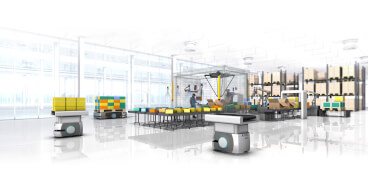
Mastering packaging and intralogistics challenges in eCommerce
24. helmikuuta 2022 Robot-assisted packaging enables fast and cost-efficient scalability upward and downward to handle swings in demands from the supply chain.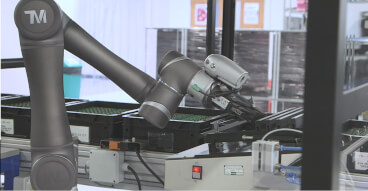
Hanover Displays automates PCBA testing with cobots
31. tammikuuta 2022 UK-based Hanover Displays Limited needed a new system for testing printed circuit board assemblies (PCBAs) and selected OMRON TM cobots for the job, supplied and installed by Absolute Robotics, part of the Absolute Automation Group.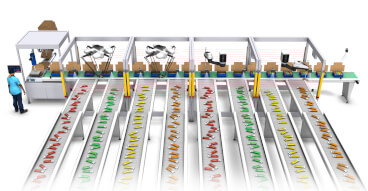
Five challenges in High-Mix, Low-Volume (HMLV) packaging and palletizing processes
21. joulukuuta 2021 The new product has just left the factory, in a shelf-ready package in the specified mixed ratio to meet customer needs. The packaging has actually been handled by another company: a co-packer. Co-packing can be found in all Fast-Moving Consumer Goods (FMCG) markets, but especially in the higher-priced product segments such as personal care or confectionery, to name a few examples. It is a fast-growing activity to satisfy the consumer demand for more variety.
Finished seals in less than 10 seconds: Robotics Integrated Controller ensures harmonious control
24. marraskuuta 2021 Trelleborg Livorno has updated a robotic cell for the finishing of polyurethane gaskets for the sustainable wind energy market. The cornerstone of the solution is OMRON's Robotics Integrated Controller that ensures integration and synchronization of all automation components, including robots, logic, motion, safety and user interface.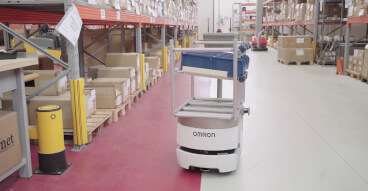
FasThink optimizes Garnet's intralogistics with mobile robots
02. marraskuuta 2021 Garnet relies on FasThink to innovate its logistics and production processes.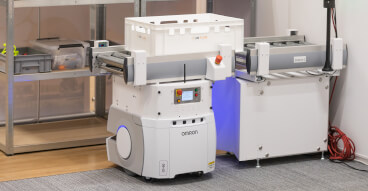
Intelligent System Solutions with Autonomous Mobile Robot: AM-Flow and OMRON
27. lokakuuta 2021 Industry 4.0 brings the promise of streamlined processes, big data insights and production lines running 24/7 with zero downtime. Unlike historical ‘industrial revolutions,’ this one offers the luxury of time and choice for manufacturers. That’s because the benefits of automation can be embraced incrementally or fully, whether it’s a new state-of-the-art facility or something retrofit-installed into a more traditional production setup. Making it easier to make the move is AM-Flow, an entrepreneurial start-up currently making waves in providing its solutions to the new tide of producers coming ashore in the world of additive manufacturing.
Product and process design - doing it digitally
10. huhtikuuta 2025 Here’s the scenario: you're a manufacturer wanting to develop a new product and will need to invest in a new line to produce it. You’ve read about the benefits of digitalisation and are keen to adopt a more high-tech approach. Where do you start?If you're developing a new product and need a new production line, the first principle is that product design determines process design—not the other way around. The second is that both happen in parallel, reducing time to market in a digital factory.
Creating smarter, faster, and simpler multi-robot packaging lines?
16. tammikuuta 2025 Does integrating robotics into a packaging line feel like solving a puzzle with too many pieces? Designing a high-performing packaging line with multiple robots often involves navigating complex integrations, precise motion control, and the need to meet tight production demands. Whether you are a System Integrator crafting tailored solutions for specific client needs or an OEM developing scalable, standardized systems, the OMRON Robotics Packaging Library provides the tools to simplify integration and reduce engineering time. Here’s how the Robotics Packaging Library helps you improve performance and reduce complexity in packaging automation.
Navigating the new machinery directive
16. tammikuuta 2025 The European Union’s transition from the 2006/42/EC Machinery Directive to the new Machinery Regulation (2023/1230/EU), effective January 20, 2027, represents a significant shift in legislative requirements for machinery and related products. For system integrators, the regulation introduces stricter requirements for the incorporation of AI-driven systems, autonomous machines, and interconnected equipment. For end users, especially those operating complex machinery systems, preparing for these changes is a strategic necessity.
From optimization to autonomy - Top five manufacturing automation trends for 2025 from OMRON
04. tammikuuta 2025 As we step into 2025, the world of industrial automation is approaching a new chapter. According to OMRON's SINIC Theory, which ties technological advances to societal change, we’re now moving from the Optimization Society to the Autonomous Society. The theory, created in 1970 by OMRON’s founder Kazuma Tateishi, predicts future societal and technological developments to guide innovation. In the Optimization phase, the focus has been on refining processes, boosting efficiency, and using technology to improve operations. But the Autonomous Society is a whole new era—one where systems don’t just run efficiently; they become self-regulating, self-learning, and capable of independent decision-making.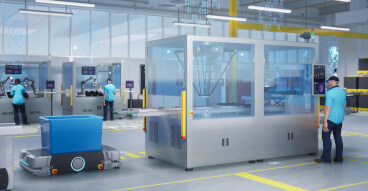
Securing a battery-powered future through automated recycling
17. joulukuuta 2024 Batteries have a crucial role to play in facilitating the scaling up of renewables in the power mix and the electrification of transport, as we transition away from fossil fuel dependence and towards cleaner energy technologies to meet the targets agreed at COP 28.This has sent the battery market on an upwards trajectory, with two sectors - power and transport - driving demand. According to the International Energy Agency (IEA), the energy sector accounts for over 90% of overall battery demand. It reported that in 2023 alone, battery deployment in this sector increased by more than 130% year-on-year, adding a total of 42 gigawatts (GW) to electricity systems around the world. Energy storage is emerging as a major application for batteries as a means of capturing renewable energy and is only going to become more important in the future. In the transport sector, meanwhile, batteries have facilitated the rise of electric cars, bikes, trucks, buses and other battery-powered vehicles.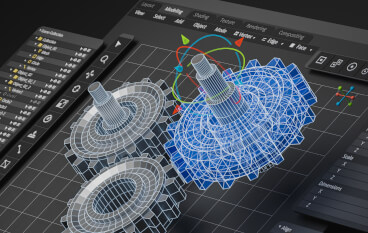
Taking the first steps to successful digitalisation
12. marraskuuta 2024 Building a digital factory isn’t an end or a reason in itself. A digital factory is a tool that gives manufacturing businesses the flexibility to respond to changes in the market - whether that is innovation trends or cost increases, and whether they are operating in the food & beverage, personal care, pharmaceutical or automotive sector.
Digitising with open standards: the recipe for a good night’s sleep
02. syyskuuta 2024 Can we commit to the predictions I have made? Will we be able to deliver to the deadline? Do I have enough insight to know for sure? How is the factory doing in terms of QCDE (quality, cost, delivery time and environmental impact) against our targets and compared to the competition? These are some of the concerns that keep factory managers awake at night; concerns that can be addressed through digitisation. In a digitised production environment, factory managers don’t have to worry about the unknowns, the risks and the might-happens. Digitisation eliminates uncertainty and enables performance-driven optimisation. It provides insights that can help factory managers improve quality, reduce cost, shorten lead times and reduce environmental impact. The manager of a digitised factory shouldn’t wake up worrying in the middle of the night, but if they do, a brief glance at their mobile phone should reassure them that everything is running as it should be. However, moving from a state of anxiety-induced insomnia to one of blissful somnolence is not easy. Put bluntly, digitisation can be quite tedious. Project leaders rarely have the luxury of working with a blank canvas; most of the time they are working with a patchwork quilt of old technologies sewn together; they are trying to digitise production lines incorporating machines that have never logged data and were built before data communication protocols even existed. This all adds up to a sizeable OT and IT integration challenge.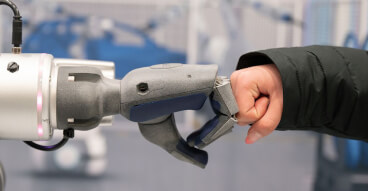
Robotic Trends 2024: Simple and flexible application essential to reach full potential
15. heinäkuuta 2024 From load carrier to colleague to team player: the role of robots has changed dramatically over the past seven decades. AI is creating more possibilities, but humans remain the determining factor. Robots or humans – who will determine production in the future? Since George Devol's 1954 patent for a programmable manipulator, this question has sparked debate. Devol's Unimate robot revolutionized industry by safely performing dangerous tasks, highlighting that the focus isn't robots vs. humans but rather "robot + human = efficiency." Over 70 years, industry demands have evolved to prioritize flexibility, scalability, adaptability, and sustainability. Robots handle tasks that free humans to focus on value-added activities.
What’s in store for automation in 2024? Six predictions from OMRON Europe
13. joulukuuta 2023 The succession of shocks over the last few years has heralded a new era of heightened geopolitical and economic risk. This is prompting manufacturers to build resilience and flexibility into business models and rethink global supply chains and relationships. At the same time, pressure is mounting to incorporate ESG principles into operational decision making. AI, data science, digital twins and sensing, monitoring and vision technology will all be essential to developing automation and control solutions that can help the manufacturing industry adapt to this new reality. In this context, I would like to share the top six trends that will impact and shape industrial automation in 2024 and beyond.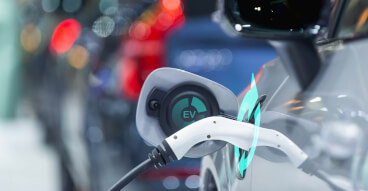
EV transition made easy: Top three challenges to overcome in automotive manufacturing
23. marraskuuta 2023 The transition to electric vehicles is a challenging path for automotive manufacturers. Long-established companies that have traditionally produced vehicles with combustion engines are now venturing into an entirely new realm of vehicle platforms. Let us investigate the top challenges facing the electric vehicle manufacturing industry and explore the latest innovative solutions on the horizon.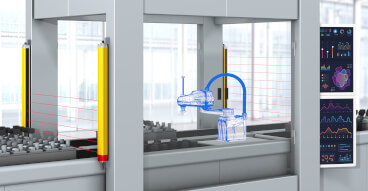
A meeting of minds: IT/OT convergence in industrial automation
22. syyskuuta 2023 Future-focused manufacturers are edging closer to their ideals of flexible, efficient and sustainable production by exploring digital transformation in earnest. However, as interest in digitalisation builds, it is becoming apparent that a huge gulf exists between the worlds of OT (Operational Technology) and IT (Information Technology). And this divide needs to be bridged if today’s visions for factories of the future are to become tomorrow’s reality.But before we look at why a convergence of IT and OT is necessary and how this can be achieved, let’s take a step back to basics and clear up some misunderstandings around the terminology.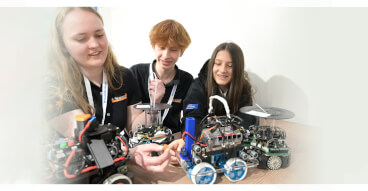
Empowering the workforce: OMRON's approach to skills development in European manufacturing
06. syyskuuta 2023 Delving into OMRON's unwavering commitment to nurturing skills that empower the next generation, while the industry embarks on a transformative journey – a journey that unlocks the full potential of the Fourth Industrial Revolution (4IR) while boldly moving towards the Fifth Industrial Revolution (5IR).In the halls of academia, the boardrooms of visionary business leaders, and the chambers of forward-thinking politicians, a fervent debate evokes. It revolves around the profound shift from the Fourth Industrial Revolution, 4IR, or Industry 4.0 as it is also known, to Industry 5.0 will change the world in which we live.Historically the Industrial Revolution was the First Machine Age, and electricity the Second, then electronics was the Third, and the internet as platform the Fourth Machine Age. We are now entering the Fifth Machine Age, which highlights harmonious human-machine collaboration and the contributions of the industry to society. This is the moment to not only adapt but to lead, to pioneer, and to create a future where innovation knows no bounds. Klaus Schwab, the founder and executive chairman of the World Economic Forum has observed that: “We stand on the brink of a technological revolution that will fundamentally alter the way we live, work, and relate to one another. In its scale, scope, and complexity, the transformation will be unlike anything humankind has experienced before. Our world is undergoing a transformative shift. Global production is evolving, driven by the automation of traditional industrial practices through smart technology, M2M communication, and IoT integration. This synergy fuels heightened automation, seamless communication, and intelligent machines that autonomously analyse and diagnose challenges.The rise of AI sparks debates, hinting at deeper transformations within our societal tapestry. As we navigate this dynamic landscape, we are poised to embrace innovation and reshape our future.
Optimising Production: How Smart Maintenance Technologies Are Changing the Game
21. tammikuuta 2025 Unplanned downtime is sabotaging production goals. It's time to take action.Unexpected machine stoppages aren't just inconveniences—they represent costly disruptions that derail schedules, increase operational expenses, and reduce profitability. Efficiency and reliability are crucial factors for maintaining competitiveness in manufacturing, so, minimising productivity losses such as unplanned downtime must be a strategic priority for both small and medium enterprises (SMEs) and large corporations.But what if you could anticipate equipment failures before they happen, deploy machines designed with maintenance in mind, and minimise fault finding? Smart maintenance technologies are making all of these a reality, transforming operations from reactive firefighting to proactive problem-solving.In this blog, we’ll explore how predictive maintenance, intelligent machine design, and advanced diagnostics are helping manufacturers reduce downtime, optimise costs, and stay ahead in an ever-evolving industry.
Securing a battery-powered future through automated recycling
17. joulukuuta 2024 Batteries have a crucial role to play in facilitating the scaling up of renewables in the power mix and the electrification of transport, as we transition away from fossil fuel dependence and towards cleaner energy technologies to meet the targets agreed at COP 28.This has sent the battery market on an upwards trajectory, with two sectors - power and transport - driving demand. According to the International Energy Agency (IEA), the energy sector accounts for over 90% of overall battery demand. It reported that in 2023 alone, battery deployment in this sector increased by more than 130% year-on-year, adding a total of 42 gigawatts (GW) to electricity systems around the world. Energy storage is emerging as a major application for batteries as a means of capturing renewable energy and is only going to become more important in the future. In the transport sector, meanwhile, batteries have facilitated the rise of electric cars, bikes, trucks, buses and other battery-powered vehicles.
Beyond tech for tech’s sake: What happens when industrial automation meets operational excellence
30. marraskuuta 2024 The past few years have seen rapid technological advancements, with the rise of AI standing out as a key trend. In a survey of manufacturers across the UK, US, and Canada, 70% said they had implemented some form of AI into their operations. This willingness to embrace new technologies is impressive, especially since manufacturing industries have so much to gain from automation.
Taking the first steps to successful digitalisation
12. marraskuuta 2024 Building a digital factory isn’t an end or a reason in itself. A digital factory is a tool that gives manufacturing businesses the flexibility to respond to changes in the market - whether that is innovation trends or cost increases, and whether they are operating in the food & beverage, personal care, pharmaceutical or automotive sector.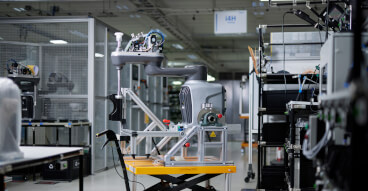
Avoiding efficiency blockage: Why companies should not postpone their robotics plans?
24. syyskuuta 2024 Delaying investments in innovative technologies is associated with numerous risks. Companies that are still hesitant should ask themselves three questions.The European economy faces a range of challenges that impact its growth, stability, and competitiveness. Europe, for example, has one of the oldest populations in the world. An aging workforce increases the burden on social security systems and reduces the labor supply, potentially slowing economic growth. Furthermore, the EU's commitment to the Green Deal and achieving carbon neutrality by 2050 requires substantial investments and structural changes in various sectors. Added to this is a lack of willingness to invest due to financial worries. A recent study by the McKinsey Global Institute (MGI) found that large European firms with more than $1 billion in revenue have fallen behind their US counterparts. They collectively invest $400 billion a year less and grow one-third more slowly.This investment fatigue can lead to several problems that have both short- and long-term effects, including disadvantages in terms of competitiveness, sustainability, and reputation, lower productivity, and less success in attracting new skilled workers. Innovative robotics can counteract such developments but also requires well-thought-out financing. Therefore, companies that are currently limiting their investments should urgently ask themselves whether this will not have more negative consequences for them in the long term than short-term savings. The following three questions should be the focus of such considerations:
Digitising with open standards: the recipe for a good night’s sleep
02. syyskuuta 2024 Can we commit to the predictions I have made? Will we be able to deliver to the deadline? Do I have enough insight to know for sure? How is the factory doing in terms of QCDE (quality, cost, delivery time and environmental impact) against our targets and compared to the competition? These are some of the concerns that keep factory managers awake at night; concerns that can be addressed through digitisation. In a digitised production environment, factory managers don’t have to worry about the unknowns, the risks and the might-happens. Digitisation eliminates uncertainty and enables performance-driven optimisation. It provides insights that can help factory managers improve quality, reduce cost, shorten lead times and reduce environmental impact. The manager of a digitised factory shouldn’t wake up worrying in the middle of the night, but if they do, a brief glance at their mobile phone should reassure them that everything is running as it should be. However, moving from a state of anxiety-induced insomnia to one of blissful somnolence is not easy. Put bluntly, digitisation can be quite tedious. Project leaders rarely have the luxury of working with a blank canvas; most of the time they are working with a patchwork quilt of old technologies sewn together; they are trying to digitise production lines incorporating machines that have never logged data and were built before data communication protocols even existed. This all adds up to a sizeable OT and IT integration challenge.
What’s in store for automation in 2024? Six predictions from OMRON Europe
13. joulukuuta 2023 The succession of shocks over the last few years has heralded a new era of heightened geopolitical and economic risk. This is prompting manufacturers to build resilience and flexibility into business models and rethink global supply chains and relationships. At the same time, pressure is mounting to incorporate ESG principles into operational decision making. AI, data science, digital twins and sensing, monitoring and vision technology will all be essential to developing automation and control solutions that can help the manufacturing industry adapt to this new reality. In this context, I would like to share the top six trends that will impact and shape industrial automation in 2024 and beyond.
A meeting of minds: IT/OT convergence in industrial automation
22. syyskuuta 2023 Future-focused manufacturers are edging closer to their ideals of flexible, efficient and sustainable production by exploring digital transformation in earnest. However, as interest in digitalisation builds, it is becoming apparent that a huge gulf exists between the worlds of OT (Operational Technology) and IT (Information Technology). And this divide needs to be bridged if today’s visions for factories of the future are to become tomorrow’s reality.But before we look at why a convergence of IT and OT is necessary and how this can be achieved, let’s take a step back to basics and clear up some misunderstandings around the terminology.
Empowering the workforce: OMRON's approach to skills development in European manufacturing
06. syyskuuta 2023 Delving into OMRON's unwavering commitment to nurturing skills that empower the next generation, while the industry embarks on a transformative journey – a journey that unlocks the full potential of the Fourth Industrial Revolution (4IR) while boldly moving towards the Fifth Industrial Revolution (5IR).In the halls of academia, the boardrooms of visionary business leaders, and the chambers of forward-thinking politicians, a fervent debate evokes. It revolves around the profound shift from the Fourth Industrial Revolution, 4IR, or Industry 4.0 as it is also known, to Industry 5.0 will change the world in which we live.Historically the Industrial Revolution was the First Machine Age, and electricity the Second, then electronics was the Third, and the internet as platform the Fourth Machine Age. We are now entering the Fifth Machine Age, which highlights harmonious human-machine collaboration and the contributions of the industry to society. This is the moment to not only adapt but to lead, to pioneer, and to create a future where innovation knows no bounds. Klaus Schwab, the founder and executive chairman of the World Economic Forum has observed that: “We stand on the brink of a technological revolution that will fundamentally alter the way we live, work, and relate to one another. In its scale, scope, and complexity, the transformation will be unlike anything humankind has experienced before. Our world is undergoing a transformative shift. Global production is evolving, driven by the automation of traditional industrial practices through smart technology, M2M communication, and IoT integration. This synergy fuels heightened automation, seamless communication, and intelligent machines that autonomously analyse and diagnose challenges.The rise of AI sparks debates, hinting at deeper transformations within our societal tapestry. As we navigate this dynamic landscape, we are poised to embrace innovation and reshape our future.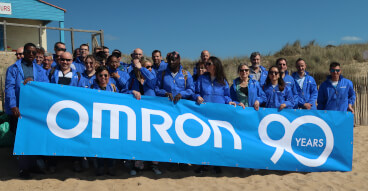
From red lights to robots: OMRON celebrates 90 years of innovation
06. kesäkuuta 2023 This year on Founder’s Day, OMRON looked back on 90 years of pushing technological boundaries, and looks forward to a future of automation innovation framed by sustainability, digitalisation and human-machine collaboration.May the 10th be with you… Every year, 10th May is probably the most important day in OMRON’s calendar. On this day, 30,000 OMRON employees around the world celebrate the life and legacy of the company’s founder, Kazuma Tateishi. They do this by recommitting to Tateishi’s vision of using technology to create a better world and by giving back to society - often by participating in volunteer and charity projects in their communities. Innovation Milestones OMRON's journey of innovation began in 1933 with the development of a high-precision timer for X-ray photography. This marked the company's first contribution to addressing societal needs. In 1960, OMRON unveiled the world's first non-contact proximity switch, revolutionizing advanced mass production capabilities. Since then, OMRON has continued to introduce groundbreaking technologies, including the first automatic traffic signal, unmanned train station system, wearable blood pressure controller, ultra-high-speed fuzzy logical controller, and automatic cancer cell diagnostic equipment.
Buying or Leasing? How to finance your new cobot
26. huhtikuuta 2023 Food for thought for SMEs when funding automation projectsSkills shortages, digitization, sustainability, and energy-saving plans are accelerating automation projects in many companies. Once manual processes that lend themselves to automation have been identified, the next question that usually follows is: And what does it all cost?It can make sense to consider options such as leasing or robot-as-a-service. One example of tools that give small and medium-sized enterprises (SMEs) in particular a better overview the financial aspects of automation is the ROI calculator from OMRON. Anyone currently considering the purchase of a cobot or AMR can use this tool to reveal the return on investment.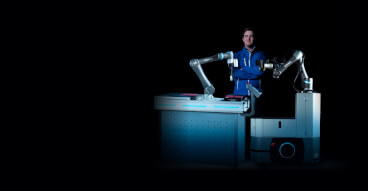
How to speed up cobot integration
08. helmikuuta 2023 Good planning and strong partners help SMEs overcome hurdles in automation.Collaborative robots, also known as cobots, are enjoying great popularity because they make it possible to automate time-consuming and resource-intensive tasks. The global market for collaborative robots is currently estimated at around $1.2 billion. The sales volume of cobots reached a total of 32,300 units in 2021. Especially in times when it is becoming increasingly difficult for companies to find and retain suitable employees, such technologies are worth their weight in gold in many places. Speaking of gold, some may ask: Cobots must be extremely expensive, right? When does such an investment pay off?Automation expert OMRON would like to alleviate such worries, especially for small and medium-sized companies: Smart and integrated robotics solutions as well as cobots and mobile robots are feasible and affordable. For those who want to estimate the return on investment, OMRON’s ROI calculator provides a quick and easy overview.Cobots and autonomous mobile robots (AMR) are suitable for both SMEs and large-scale businesses. They perform tasks such as transport, palletizing, loading and unloading of machines, assembly, painting, or welding. They can be quickly and flexibly retooled and also programmed by non-experts. Material replenishment can be streamlined with AMRs, and machine and process loading with cobots. However, to successfully carry out such projects and accelerate robot integration, know-how and partners who are familiar with the subject matter are needed. And above all, employees must be informed and involved from the start of the project to be part of the change together.Here are some tips companies should keep in mind when integrating cobots:
From red lights to robots: OMRON celebrates 90 years of innovation
06. kesäkuuta 2023 This year on Founder’s Day, OMRON looked back on 90 years of pushing technological boundaries, and looks forward to a future of automation innovation framed by sustainability, digitalisation and human-machine collaboration.May the 10th be with you… Every year, 10th May is probably the most important day in OMRON’s calendar. On this day, 30,000 OMRON employees around the world celebrate the life and legacy of the company’s founder, Kazuma Tateishi. They do this by recommitting to Tateishi’s vision of using technology to create a better world and by giving back to society - often by participating in volunteer and charity projects in their communities. Innovation Milestones OMRON's journey of innovation began in 1933 with the development of a high-precision timer for X-ray photography. This marked the company's first contribution to addressing societal needs. In 1960, OMRON unveiled the world's first non-contact proximity switch, revolutionizing advanced mass production capabilities. Since then, OMRON has continued to introduce groundbreaking technologies, including the first automatic traffic signal, unmanned train station system, wearable blood pressure controller, ultra-high-speed fuzzy logical controller, and automatic cancer cell diagnostic equipment.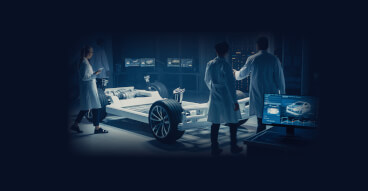
Why automated inspection systems are critical for electric vehicle manufacturing
23. maaliskuuta 2023 Safety trumps all other concerns in the automotive industry, and electric vehicle manufacturing is no exception. However, safety can also introduce complexity, and the complexity of today’s vehicles – particularly EVs – is such that manufacturers are no longer able to rely on traditional sample or audit-based inspection methods.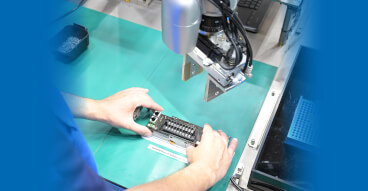
Top 5 automation predictions for 2023 from OMRON Europe
01. helmikuuta 2023 While a new year is upon us, with all its opportunities, I'd like to highlight some of the top trends that will impact and shape industrial automation in 2023 and beyond. The manufacturing industries will continue to face many challenges, and riding them out will involve building resilience and flexibility into business models. At the same time, companies must embrace emerging technologies - sensing, robotics, 5G and artificial intelligence - to help them solve the problems they face due to societal challenges.
The path to net zero: talking tactics
01. helmikuuta 2023 The key to unlocking a net zero future in manufacturing is transforming the value chain through automation.In June 2022, New Scientist reported that a third of the world’s largest companies had net zero targets - significantly more than the same time last year.Whilst it is positive news that momentum is accelerating, the article went on to say that the details of how companies were planning to reach net zero were patchy.Which is not surprising really. Creating and implementing a net zero strategy is a huge undertaking for any business, especially with 80% of GHG emissions falling into Scope 3 - that is emissions that occur upstream or downstream in the value chain. This is a particular challenge for FMCG companies, whose supply chains and onward logistics are long and complex.Most of these businesses know what they need to do: decarbonise and circularise the value chain. And they have a strategy for doing this, which will generally cover: optimising the use of resources and energy, replacing high emission products and processes and eliminating waste.But translating intention into action is where the main challenge lies. This is where automation has a crucial role to play.Data collection and analysis is the key to successful net zero transition. Without it, how do companies know what their starting point is, where they need to improve, whether they have improved and by how much? Robust data is the foundation for turning a commitment into change, and for credibly and confidently communicating with stakeholders and delivering on climate ambitions.
Riders of the storm: navigating economic uncertainty by turning social challenges into tech opportunities
06. joulukuuta 2022 One of the questions I am often asked is what our strategy is, as an industrial automation business, for maintaining stable growth in a volatile and increasingly unpredictable global economy. My answer, as you might imagine, is not one sentence, although it is rooted in one concept: SINIC. SINIC stands for ‘Seed-Innovation to Need-Impetus Cyclic Evolution’ and is a theory that was developed by OMRON's founder, Dr. Kazuma Tateisi, in 1970. According to this philosophy, science, technology and society share a cyclical relationship, mutually impacting and influencing each other. Scientific breakthroughs help society to advance and social needs spur on technological development. OMRON Europe has always followed this philosophy, and has spent the last decade laying the foundations for creating value-adding solutions to present day social and economic challenges.
Digitalization in the automotive industry: Seven tips for smart production
02. marraskuuta 2022 If you want to grow and master crises, you have to be digitally fit – this also applies to the important automotive sector. There is no way around digital tools for addressing customers or productivity. Artificial intelligence (AI) and sustainability are key drivers and focus topics, as a study by Capgemini shows. Experts from Gartner point out the importance of open-source collaboration approaches, holistic ecosystems, and technology partnerships. But what should we look out for in digitalization and intralogistics in the production of the future? We want to answer this question in two parts. We start with tips on digitization in the smart factory. As an automation expert, OMRON has been accompanying manufacturers and suppliers on their way to more digitalization sophistication for many years.
Fuel for the future: What to look out for in fuel cell production
10. maaliskuuta 2022 When people talk about sustainable mobility, the first thing that comes to mind is battery-powered e-cars. Fuel cells or direct hydrogen burners are complementary technologies that often fade into the background, yet have a lot to offer when it comes to CO₂ reduction and market options.
Green packaging industry: How to achieve sustainable manufacturing
09. helmikuuta 2022 Sustainability in the packaging industry is one of the key aspects in fighting the plastic waste issue and ultimately climate change. The challenges that this presents, require flexible and powerful automation technology.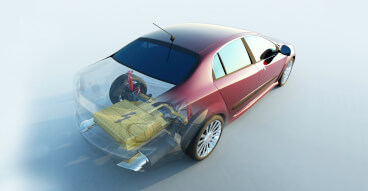
Fuelling the success of local battery cell production
20. syyskuuta 2021 Expert and automotive manufacturers alike agree that e-mobility is the future. Batteries and battery manufacturing are central to this development. In this context, the global market for lithium-ion batteries is expected to grow from 44.2 billion US dollars (2020) to 94.4 billion dollars (2025). The transformation of the automotive industry from internal combustion engines to battery or hydrogen-powered fuel cells is presenting companies with immense challenges.
Plastics in consumer goods manufacturing: Seven automation tips for greener packaging
29. huhtikuuta 2021 Hygiene or environmental protection? Preferably both! Companies in the consumer goods industry are increasingly asking themselves what alternatives they have to plastic packaging and how they can act greener, more efficiently, and yet still safely. Innovative packaging lines, robotics and artificial intelligence offer support.
Powering the European automotive industry
29. tammikuuta 2021 The European automotive industry is facing strong competition from Asia, as well as the economic challenges of the pandemic. It needs to develop innovative, future-proof strategies and technologies that will boost both efficiency and sustainability. Tony Seba from Stanford University believes that by 2025, no more new vehicles with (pure) combustion engines will be sold and there will be a move towards battery or hydrogen-powered fuel cells. Meanwhile, the industry faces falling sales, increasingly strict emissions regulations, new technologies, digitisation and changing consumer needs. Companies must respond by converting their production lines; becoming more agile; and introducing innovations that provide a competitive edge.